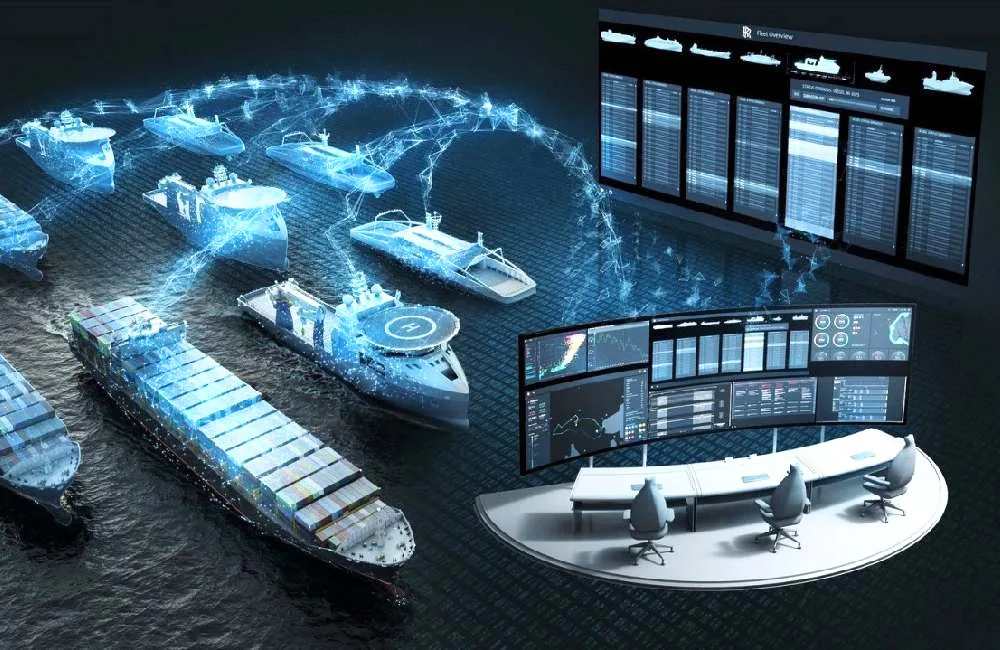
Future-proofing offshore surveillance integrates AI-enabled, explosion-proof CCTV for enhanced safety at sea.
LNG Operations
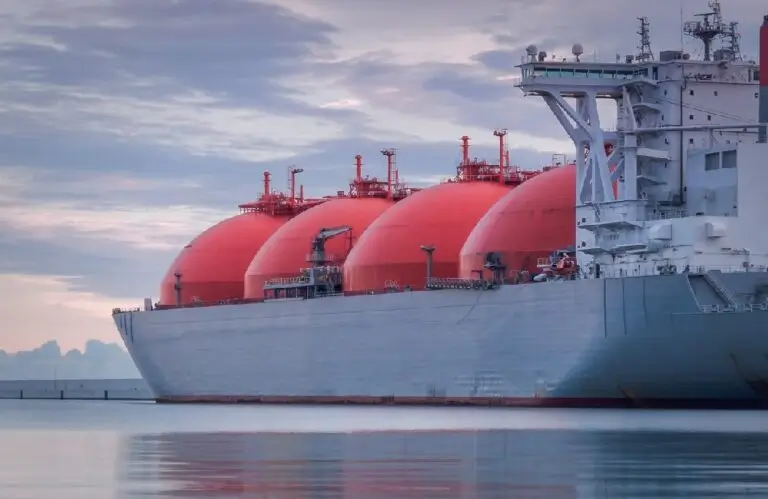
Explosion-proof CCTV cameras help protect Floating LNG (FLNG) operations by giving real-time monitoring of threats and hazards in offshore environments.
FLNG technology allows gas production in areas once unreachable. But working in the ocean brings big safety risks. Strong protection is needed to keep both people and valuable equipment safe.
This article outlines the main dangers in FLNG and how surveillance technology helps reduce those risks.
Main Risks in Floating LNG Operations
1. Rough Ocean Conditions
-
Bad weather and high waves
-
Risk of collisions or damage to structures
2. Gas Leaks and Explosions
-
Handling flammable substances
-
Danger of leaks or blasts
3. Fire Hazards
-
Use of hot equipment
-
Risk of sudden fires
4. Environmental Damage
-
Oil or gas spills
-
Harm to marine life
5. Security Threats
-
Risk of piracy or sabotage
-
Unauthorized access
6. Equipment Failures
-
Machines breaking down
-
Disruptions to operations
7. Human Mistakes
-
Fatigue or poor communication
-
Accidents or safety breaches
Using Smart Surveillance for FLNG Safety
Advanced Camera Systems
-
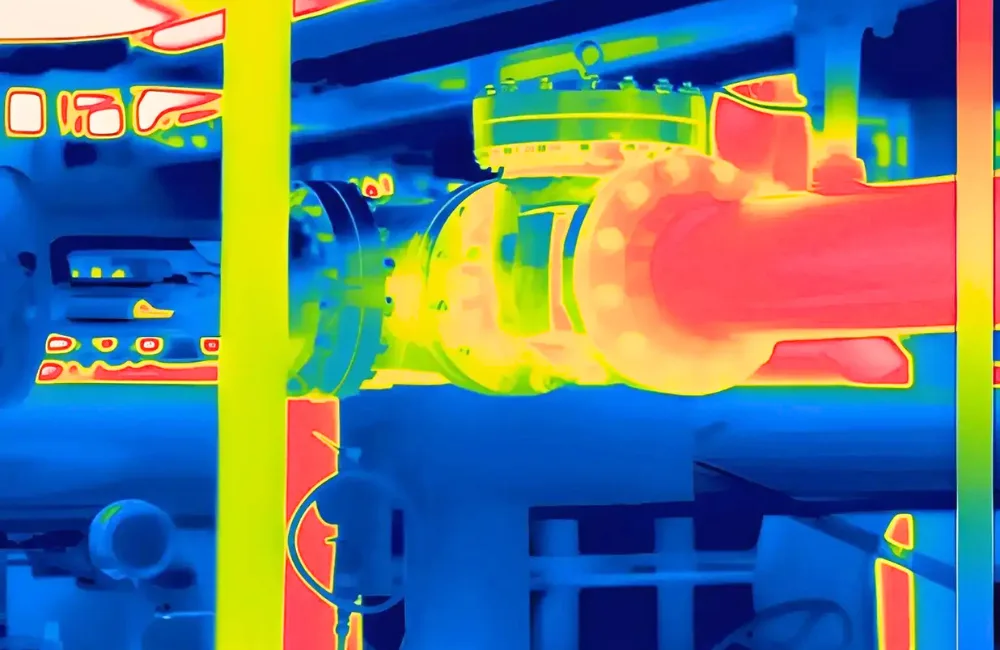
High-resolution and thermal cameras
-
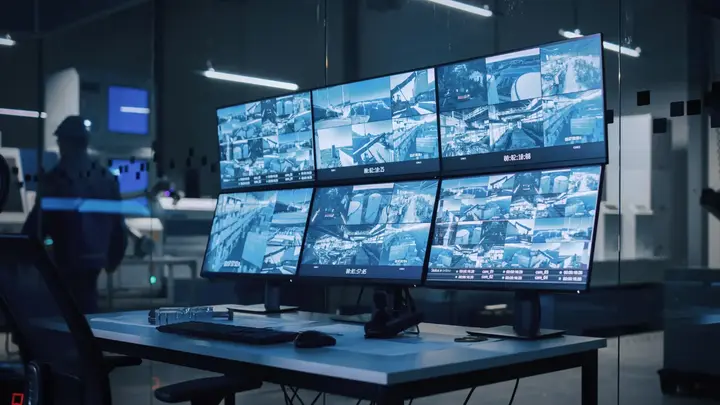
24/7 real-time monitoring
Explosion-Proof Cameras
-
Built to withstand hazardous conditions
-
Sealed and durable
Threat Detection
-
Cameras help spot intruders
-
Visible surveillance discourages threats
Helping Emergency Response
-
Real-time visuals during incidents
-
Quick decisions and action
Improved Operations
-
Insight into how systems work
-
Helps teams make better choices
Conclusion: Safety Through Smart Technology
Surveillance systems and explosion-proof cameras are vital for FLNG safety. They help reduce risks, protect people and assets, and support smooth operations. Using the right technology ensures offshore gas production stays safe, secure, and efficient.
Have any questions?
Related Posts

- Thermal cameras in hazardous zones need smart filters to tackle challenges like distortion, range, and fog.
 Thermal cameras safeguard workers and assets in industrial sectors, ensuring safety & environmental integrity.